
“Mastering breath control and elongation (Madd) transforms recitation fluency and emotional resonance.”
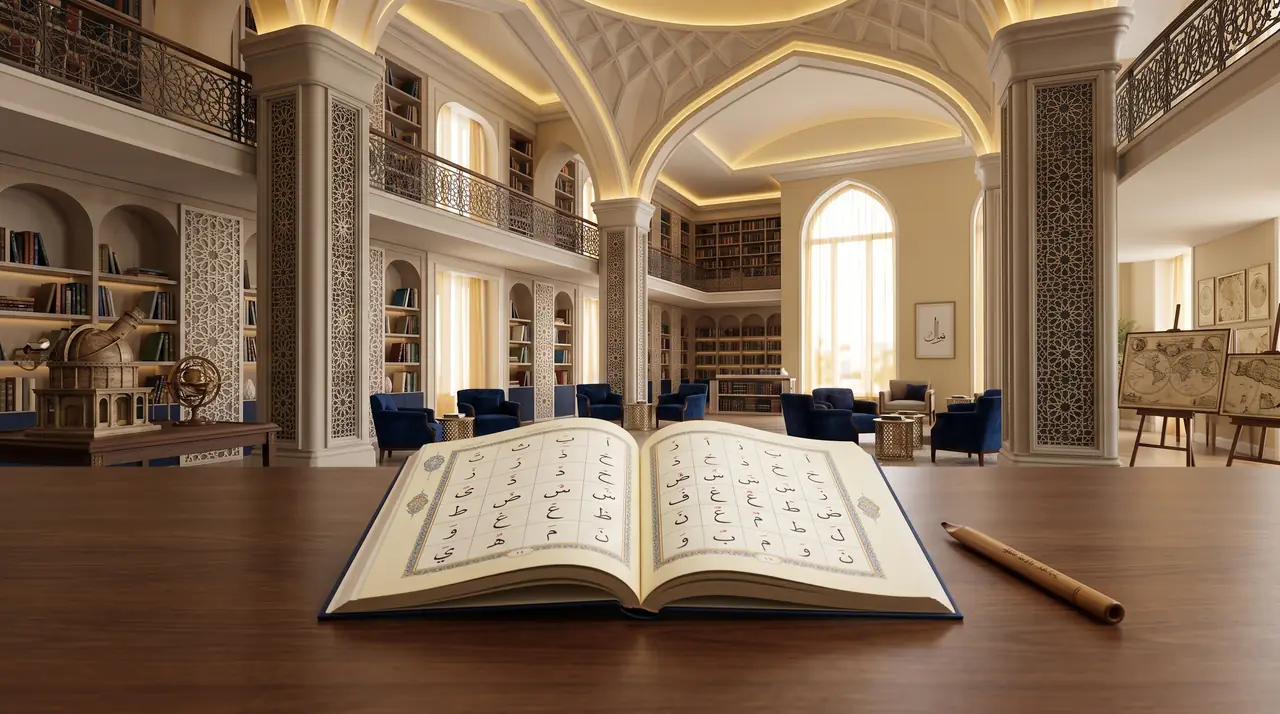
Reciting the Holy Quran with Tarteel is a divine command revealed directly in Surah Al-Muzzammil: 'وَرَتِّلِ الْقُرْآنَ تَرْتِيلًا' (And recite the Quran with measured recitation). True Tarteel is not merely melodic singing; it is the exact science of pronouncing every single letter from its designated point of articulation (Makhraj) while applying its intrinsic acoustic qualities (Sifat).
1. The Acoustic Geometry of Arabic Articulation
« مَخَارِجُ الحُرُوفِ سَبْعَةَ عَشَرْ عَلَى الَّذِي يَخْتَارُهُ مَنِ اخْتَبَرْ »
— الشاهد القرآني / الحديث الشريف / المتنThe Arabic language possesses deep guttural and pharyngeal sounds that do not exist in Germanic or Romance languages. Al-Imam Ibn Al-Jazari established the 17 standard articulation points, categorizing them into five major anatomical regions: Al-Jawf (the oral and throat cavity), Al-Halq (the throat), Al-Lisaan (the tongue), Ash-Shafataan (the lips), and Al-Khayshoom (the nasal cavity).
2. Breath Management & Diaphragmatic Support
A common impediment among non-native reciters is running out of breath mid-verse, leading to abrupt stops at linguistically forbidden junctures (Waqf Qabeeh). Classical Azhari training teaches reciters how to use diaphragmatic breathing rather than shallow chest breathing, sustaining long Madd rules without vocal strain.
3. Transforming Recitation from Mechanical to Spiritual
When Tajweed rules become second nature through persistent 1-on-1 Talaqqi (direct oral transmission), the reciter's mind is liberated from mechanical decoding to engage in deep contemplation (Tadabbur) of the divine message.
Begin your journey by sitting with a certified Sheikh who can hear your recitation and adjust your Makharij letter by letter. The Holy Quran is an oral tradition passed down through living chains of transmission.
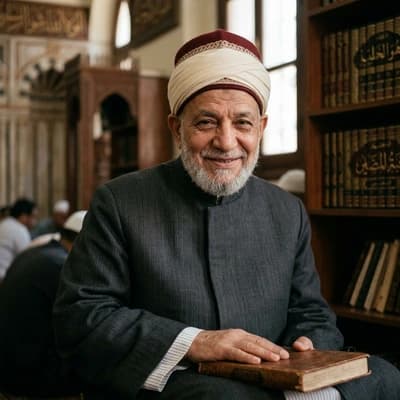
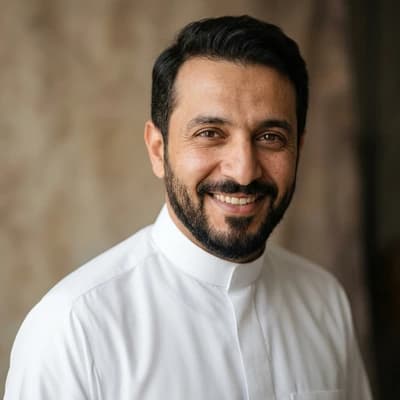
Written by Dr. Ahmed Al-Azhari
Senior Tajweed Scholar & Qira'at Master. Dedicated to authentic Sanad transmission and modern phonetic instruction for international students worldwide.